

It happens almost overnight.
The temperature drops in Nashville. We turn on the heat in our homes and cars. And suddenly, the skincare routine that was working beautifully a few weeks ago doesn't seem to be cutting it anymore.
Maybe you do your nighttime skincare, climb into bed and notice a slight burning or stinging sensation.
Do I need to get up and wash this off? Or should I just wait and see if it stops?
The next morning, your skin has that slightly sandpapery texture—especially around the mouth. It feels tight even after you've layered on all your good products. Your usual glow disappears by lunchtime. Makeup doesn't sit quite the way it normally does.
Sound familiar?
Your skincare products probably haven't suddenly stopped working.
It's time to winterize your skin.
Just as we make changes to our homes, wardrobes and routines when the seasons change, our skin often needs a seasonal adjustment too.
What Just Happened to My Skin?
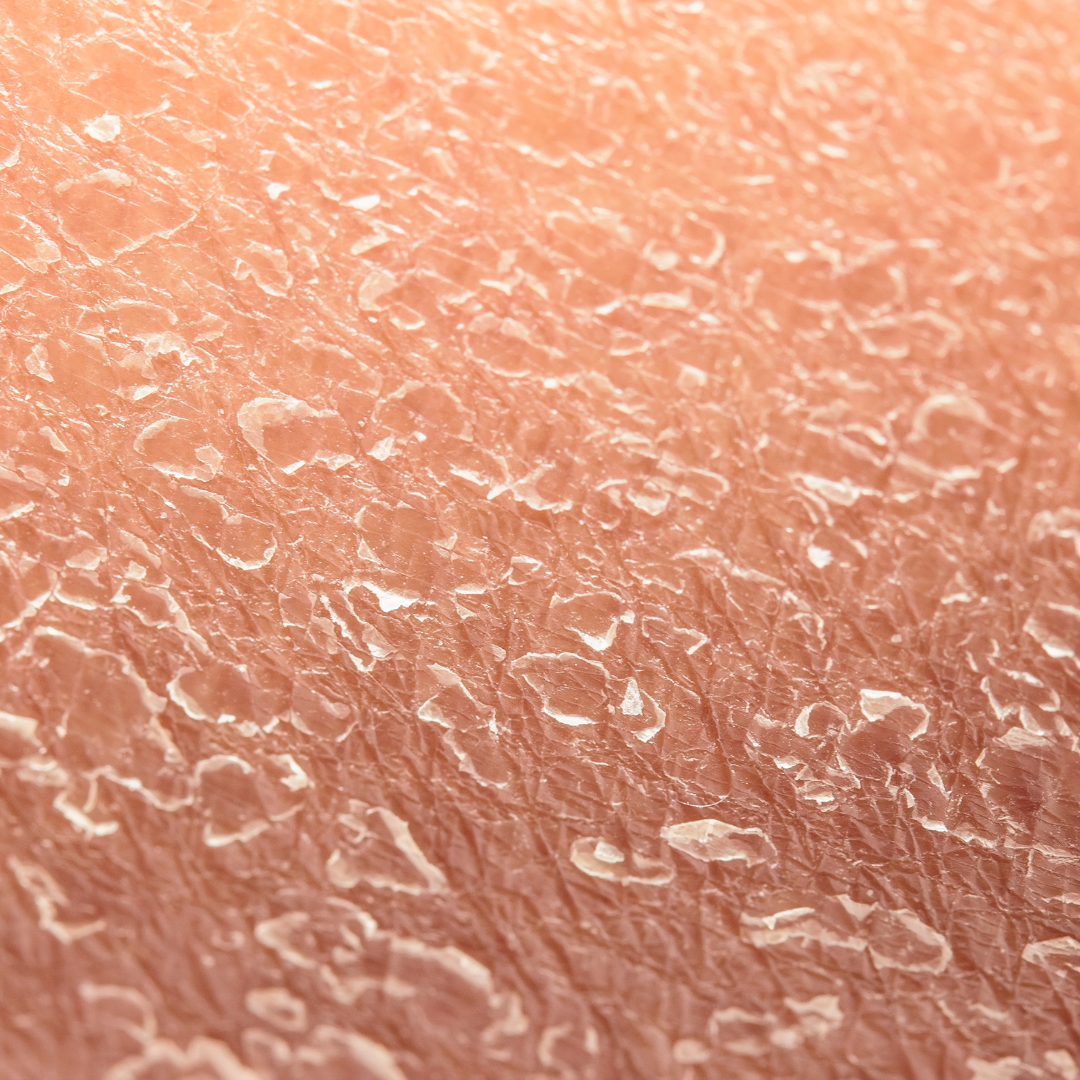
Cold weather brings a one-two punch.
Outside, we're exposed to colder, drier air. Inside, our heaters are running and pulling moisture from the environment. We move back and forth between the two all day long.
The result can be increased water loss from the skin and a barrier that has a harder time keeping itself comfortable and hydrated.
And this isn't just a “dry skin” problem.
Even someone who normally has combination or oily skin can experience dehydration during the winter months. You can still produce plenty of oil while lacking adequate water in the skin.
That's why the solution isn't necessarily finding the thickest cream you can get your hands on.
Sometimes we need to rethink the whole routine.
First Rule: Don't Sandpaper the Sandpaper
One of the biggest mistakes I see when clients start noticing that rough winter texture is trying to exfoliate it away.
It makes sense. Your skin feels rough, so you reach for the scrub, glycolic cleanser, exfoliating pads or acids.
But if that texture is accompanied by tightness, stinging, redness or sensitivity, your skin may already be telling you that its protective barrier is stressed.
More exfoliation can make matters worse.
That's when we can start seeing increased redness, irritation and even breakouts from someone who normally doesn't consider herself acne-prone.
When your skin suddenly starts behaving differently, don't immediately attack it. Listen to it.
Erin's Winterizing Checklist
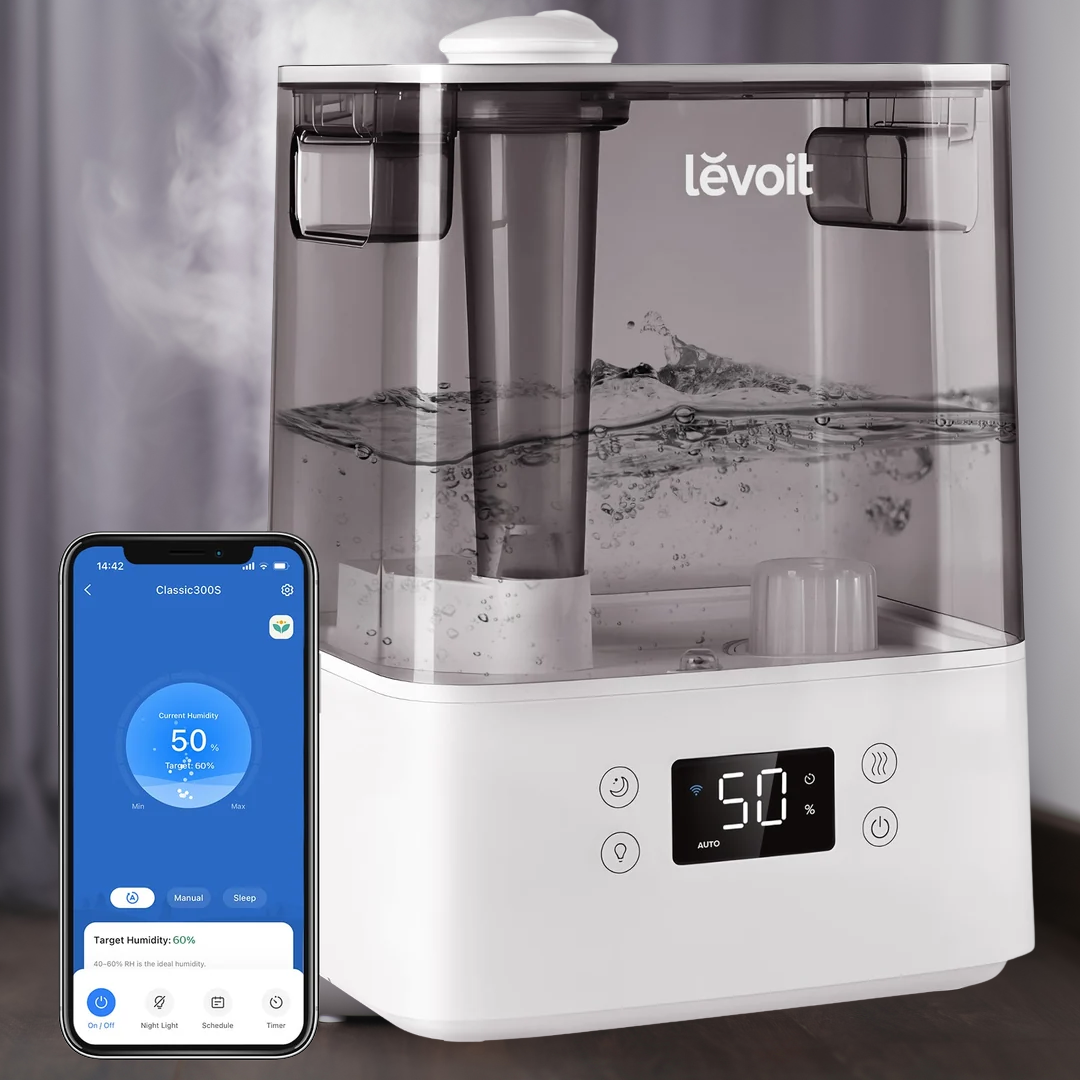
1. Pull the humidifier out
This is one of my favorite winter skincare tips—and it has nothing to do with skincare products.
Put a humidifier on a small table a few feet from your side of the bed and run it while you sleep.
You're spending roughly eight hours every night in an environment heated by your home's HVAC system. Adding moisture back into the air can make a noticeable difference in how your skin feels when you wake up.
My favorite is the Lavoit Smart humidifier, but you can pick up one that is a little less fancy at your local drug store.
2. Turn down the temperature in the shower
I know. It's cold outside and that steaming-hot shower feels wonderful.
Your skin disagrees.
Very hot water can strip away some of the lipids that help your skin hold onto moisture. Keep the water comfortably lukewarm instead of cranking the temperature all the way up—especially when you're washing your face.
Your winter skin will thank you.
3. Rethink your cleanser
The cleanser you love in July may not be what your skin wants in January.
If you're using a foaming or gel cleanser and suddenly feeling tight after cleansing, consider switching to something creamier and more hydrating.
And if your cleanser contains exfoliating acids such as glycolic acid, you may want to set it aside temporarily if your skin is becoming sensitive or irritated.
You don't necessarily need to change your entire skincare regimen. Sometimes changing one seemingly insignificant step makes an enormous difference. One of my favorite winter cleansers is the Apricot & Mango Cleansing Milk by Sorella Apothecary.
4. Don't ditch your retinol—adjust it
Retinol is one of our favorite ingredients at EB Skin, and winter doesn't automatically mean you have to stop using it.
Instead, I often recommend adjusting the strength.
If you're using a 1% retinol and your skin suddenly isn't tolerating it as comfortably, we may temporarily move you to a lower strength during the driest months. Once the weather changes and your skin settles down, you can work your way back up.
The goal isn't to abandon the ingredients that are doing wonderful things for your skin. It's to adjust your routine to what your skin can comfortably tolerate right now.
Think Layers, Not Just a Bigger Jar of Cream
When people feel dry, their instinct is usually:
I need a heavier moisturizer.
Sometimes you do.
But sometimes you're already using a beautiful, rich moisturizer and your skin is still thirsty.
Instead of relying entirely on one thick layer of cream, I love creating multiple lighter layers of hydration.
Think of it almost like dressing for cold weather. One enormous sweater isn't always as effective as several thoughtfully chosen layers.
You might start with a hydrating mist or essence, follow with a hydrating serum, add another targeted serum if needed and then seal everything in with your moisturizer.
And we have some excellent options at EB Skin for doing exactly that.
Build Your Winter Hydration Wardrobe
Here are tools we can choose from depending on what your particular skin is asking for.
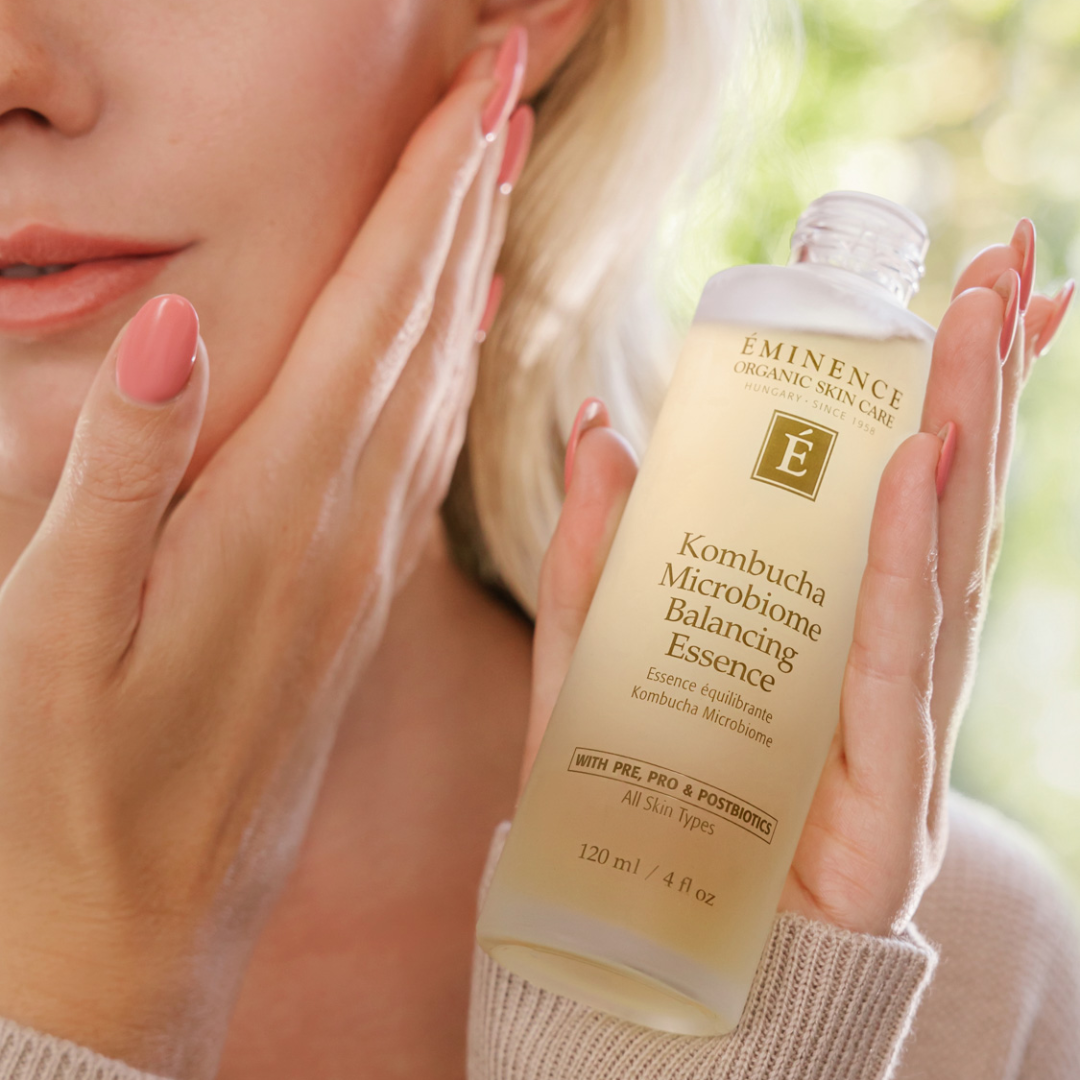
FIRST LAYER: Eminence Organics Kombucha Microbiome Balancing Essence
If you've never used an essence, winter is a great time to discover one.
The Eminence Organics Kombucha Microbiome Balancing Essence is a lightweight first layer that adds hydration and helps support the skin's moisture barrier.
Pat it onto freshly cleansed skin before your serums—or, one of my favorite tricks, press a little into the skin midway through your nighttime routine when you feel like you need another layer of moisture.
It's an easy way to add hydration without adding heaviness.
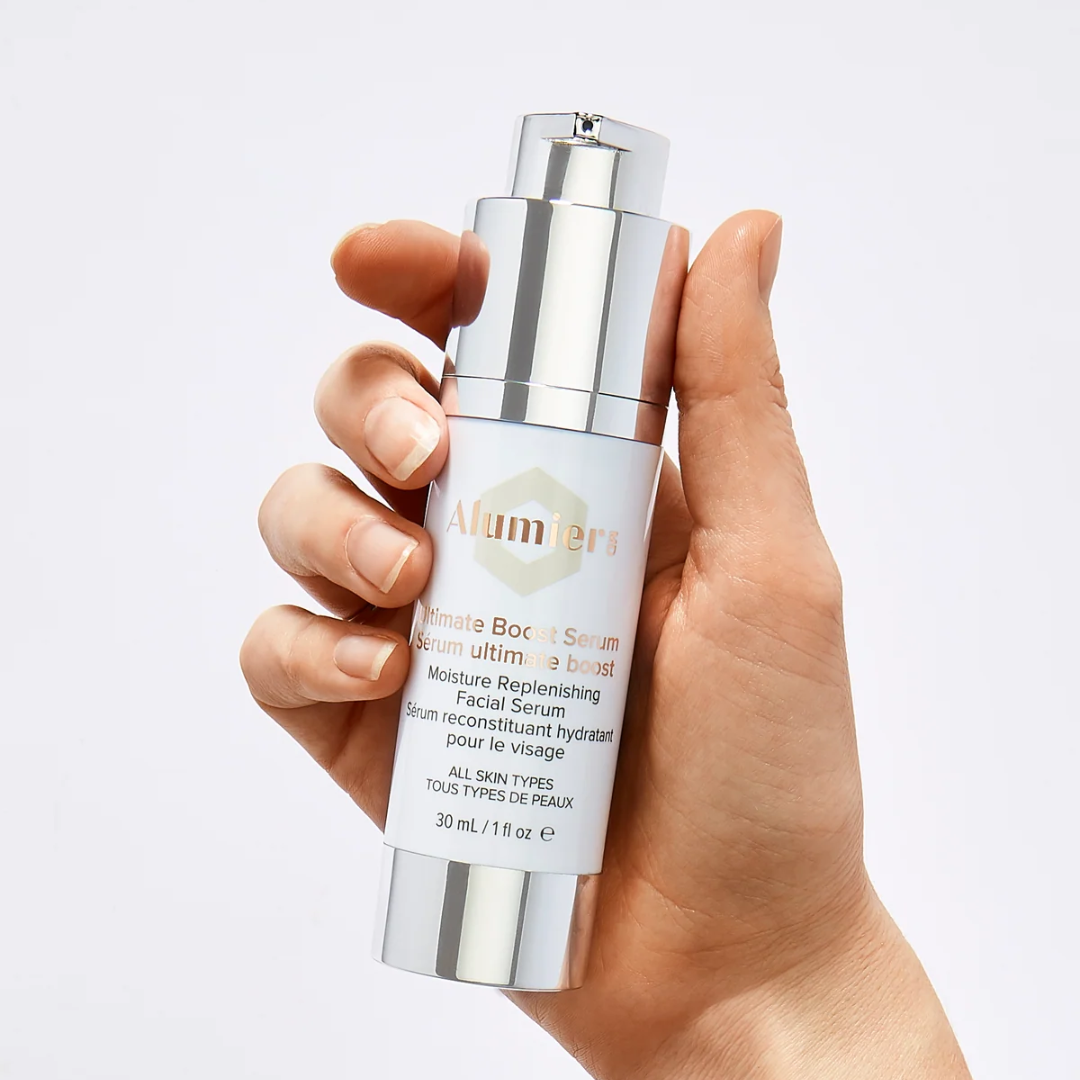
HYDRATION BOOST: AlumierMD Ultimate Boost Serum
This one is an EB Skin classic for a reason.
Ultimate Boost Serum contains hyaluronic acid along with niacinamide and peptides and is one of my favorite additions when a strong anti-aging regimen starts feeling a little too aggressive during the winter.
Think of this as adding a big drink of water to your existing routine without having to change everything else you're doing.
RICH MOISTURIZER: AlumierMD HydraRich
Every year when the temperatures drop, HydraRich starts flying off our shelves.
That's not a coincidence.
This is the moisturizer we reach for when someone's usual moisturizer simply isn't enough anymore. Its combination of hydrating and emollient ingredients—including hyaluronic acid, squalane, jojoba and shea butter—makes it a beautiful option for dry winter skin.
WINTER SUNSCREEN: IMAGE Skincare Daily Prevention Sun Serum SPF 30
Sunscreen doesn't get a winter vacation.
But if your regular SPF suddenly leaves your skin feeling tight or dry, switching formulas can make a tremendous difference.
The IMAGE Skincare Daily Prevention Sun Serum SPF 30 has a silky, dewy texture that feels almost like a finishing skincare step rather than a traditional sunscreen. It's a great option when you want your SPF to contribute to that comfortable, hydrated finish instead of fighting against it.
And yes—you still need SPF when it's 38 degrees and cloudy.
LEAVE-ON HYDRATION: Eminence Organics Kombucha Microbiome Leave-On Masque
This is one of my favorite winter tricks for skin that just can't seem to get enough moisture.
The Eminence Organics Kombucha Microbiome Leave-On Masque is different from the traditional mask you apply, wait 10 minutes and wash down the sink. This one is designed to stay on the skin.
Apply a layer in the evening and give it time to absorb. If your skin is especially dry, you may be surprised by how much of it seems to simply disappear into your skin. There's no need to rinse it off. Tissue away any excess if necessary, then continue with the rest of your nighttime skincare routine.
The formula combines kombucha ferment, ginger and pre-, pro- and postbiotic ingredients to help support the skin's moisture barrier while soothing dry, uncomfortable skin.
I especially love this one when winter skin starts feeling like it needs something more, but you don't necessarily want to overhaul your entire skincare routine.
Think of it as an extra hydration blanket you can pull out when your skin needs it.
Your Face Isn't the Only Thing That Needs Winterizing
We tend to obsess over facial skincare while our hands, lips and bodies are quietly turning into the Sahara.
Let's fix that too.
For your body: Eminence Organics Yuzu Solid Body Oil
The Yuzu Solid Body Oil is phenomenal for dry winter body skin.
I especially love layering it over a body treatment or moisturizer after a shower. You're essentially using that final layer to help seal everything in and leave the skin soft and comfortable.
For your hands: Eminence Organics Mangosteen Replenishing Hand Cream
Don't wait until your knuckles are cracked.
Start using a good hand cream such as Mangosteen Replenishing Hand Cream before your hands become painfully dry. Keep one beside your bed, at your desk or in your bag and get ahead of the problem.
For your lips: AlumierMD LipBoost
The lips are often one of the first places we notice the seasonal change.
AlumierMD LipBoost is one of our favorites for keeping lips hydrated and comfortable before the chapping cycle begins.
What About Your Facial Treatments?
Winter is actually one of my favorite times to work on the skin—but we have to pay attention to what the skin is telling us.
Fall and winter are popular times for treatments such as chemical peels and microdermabrasion. But I don't want to perform an aggressive exfoliating treatment on skin that's already red, irritated, flaky and struggling to maintain its barrier.
First, we get the skin healthy and balanced. Then we treat it.
If your skin needs some TLC, this may be the perfect time for one of our more hydrating treatments, such as our Calm Pineapple Facial, Gua Sha Facial or EB Skin Lux Facial.
And what about dermaplaning?
Dermaplaning can actually be a fantastic addition for some dry winter skin. Removing the superficial buildup of dead skin cells can leave the skin beautifully smooth and allow your hydrating skincare to perform more effectively.
But—and this is important—dry skin and compromised skin aren't necessarily the same thing.
If your skin is actively irritated, inflamed or showing signs of barrier disruption, exfoliation may not be what it needs that day.
Let your esthetician make that call.
When we look at your skin under magnification, I can determine whether we're dealing with healthy skin that simply has a dry, dull surface layer—or skin that's telling us to back off and focus on restoring comfort first.
That's one of the benefits of having a professional assess your skin instead of trying to diagnose every little change yourself in the bathroom mirror.
Your Skin Changes. Your Routine Should Too.
One of the biggest misconceptions about good skincare is that once you find the “perfect routine,” you should use those exact products forever.
Skin doesn't work that way.
Your environment changes. Your hormones change. Your stress changes. The weather changes. And what your skin loved six months ago may not be exactly what it needs today.
So if you're lying in bed tonight wondering why your favorite skincare suddenly stings a little, or you're looking in the mirror wondering where that sandpapery texture came from, don't panic.
Your skin may simply be asking you to winterize.
Add some humidity. Turn down the water temperature. Ease up on unnecessary exfoliation. Add a few strategic layers of hydration. And let us help you figure out what stays, what goes and what needs a seasonal swap.
Not sure where to start?
Come see us at EB Skin. Bring your current products, tell us what you're noticing, and we'll help you create a winter skincare plan that keeps your skin comfortable, healthy and glowing all season long.
Because winter may be coming—but dry, cranky skin doesn't have to come with it.